
Most people don't realize that directness and honesty are not interchangeable. I've sat in countless boardrooms, coffee shops, and virtual meetings where someone—often with the best of intentions—confuses these two, leading to misunderstandings and missed opportunities.
Directness can be blunt, a straight shot aimed at getting to the point. Honesty, on the other hand, is nuanced; it requires empathy and understanding, a careful balancing act of truth and tact. It's about the delivery as much as it is about the content. When you think you're speaking honestly, you might just be disguising a lack of tact as truthfulness.
I remember a situation early in my career where a senior colleague (we'll call him Dave) prided himself on his "honesty." In a meeting, he would cut straight to the point, often with little regard for the feelings of others. "Your project's off-target. Fix it or we’ll pull the plug," he'd say. Sure, he was being direct—and in his mind, honest. But the team often left these exchanges demoralized, feeling like they were battling against him rather than working with him. The result? More churn, less productivity, and a brittle culture. It wasn't honesty that Dave was practicing; it was a bluntness that lacked empathy.
When people feel attacked or devalued, even if unintentionally, they shut down—flight or fight kicks in, and more often than not, they choose flight. I've seen talented individuals leave teams because they feel their work isn't appreciated or understood. They might not even be wrong; they just weren't given the chance to hear feedback in a way that helped them grow. That's the real loss—potential stunted by poor communication.
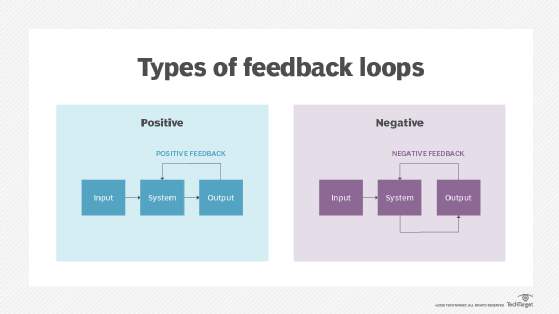
It's important to validate this feeling. If you've been on the receiving end of such "honesty," you're not alone. You're not being too sensitive. Feedback should help you progress, not make you question your worth. Directness without empathy can feel like a personal attack, and it often is more about the speaker's need to unload than the listener's need to improve.
Here's where the reframe comes in: honesty should build bridges, not burn them. It should be the cornerstone of trust within a team, not the hammer that breaks it apart. To communicate honestly, you need to consider the impact of your words. It’s not just about being truthful; it’s about being helpful. Ask yourself: is what I’m about to say going to help this person improve or achieve their goals? If not, why say it?
Consider the last time you gave feedback—were you clear about your intentions? Did you make sure the other person understood you were on their side? Genuine honesty involves a commitment to mutual success. It's the difference between saying, "Your presentation was a mess," and "I think your presentation could be stronger with more focus on key metrics—let's work together on this." The latter not only identifies the issue but offers support and a path forward.
I've learned that the most effective leaders aren’t those who are always the most direct, but those who master the art of compassionate honesty. They understand that feedback is a dialogue, not a monologue. They listen as much as they speak—and they speak with the intention of fostering growth. These leaders know that their words carry weight and choose them wisely. They ask questions, encourage exploration, and, most importantly, they make it safe to fail and learn.
This approach requires a bit of recalibration if you're used to the "tell it like it is" mindset. Start by recognizing your own patterns of communication. Are you quick to criticize without offering solutions? Do you often find your feedback leading to defensiveness rather than constructive dialogue? Self-awareness is the first step toward change.
Next, try to cultivate empathy in your interactions. Put yourself in the other person's shoes. How would you want to receive the feedback? What would make it more actionable and less personal? Bringing empathy into the equation doesn’t dilute honesty; it enhances it by ensuring it's understood and appreciated.
Finally, remember that feedback is an ongoing process. It’s not a one-and-done deal. Revisit past conversations, follow up on progress, and continue to offer support. This shows that your commitment to honesty is genuine and not just a box-checking exercise.
We all have a choice in how we communicate. And the choice between being merely direct and truly honest can make all the difference in the world. When we choose honesty with empathy, we not only empower others but also create a culture where people feel valued and motivated to do their best work.
If you're in a leadership role, I challenge you to examine how you communicate with your team. Reflect on whether you're equating directness with honesty. The two aren't the same, and recognizing the difference can transform your leadership style and the success of your team. It's a shift that can open doors to deeper connections and more meaningful progress.
How do you balance honesty and empathy in your communications? What challenges have you faced in making this distinction? I’d love to hear your stories and insights.