The Loneliness of Getting Better
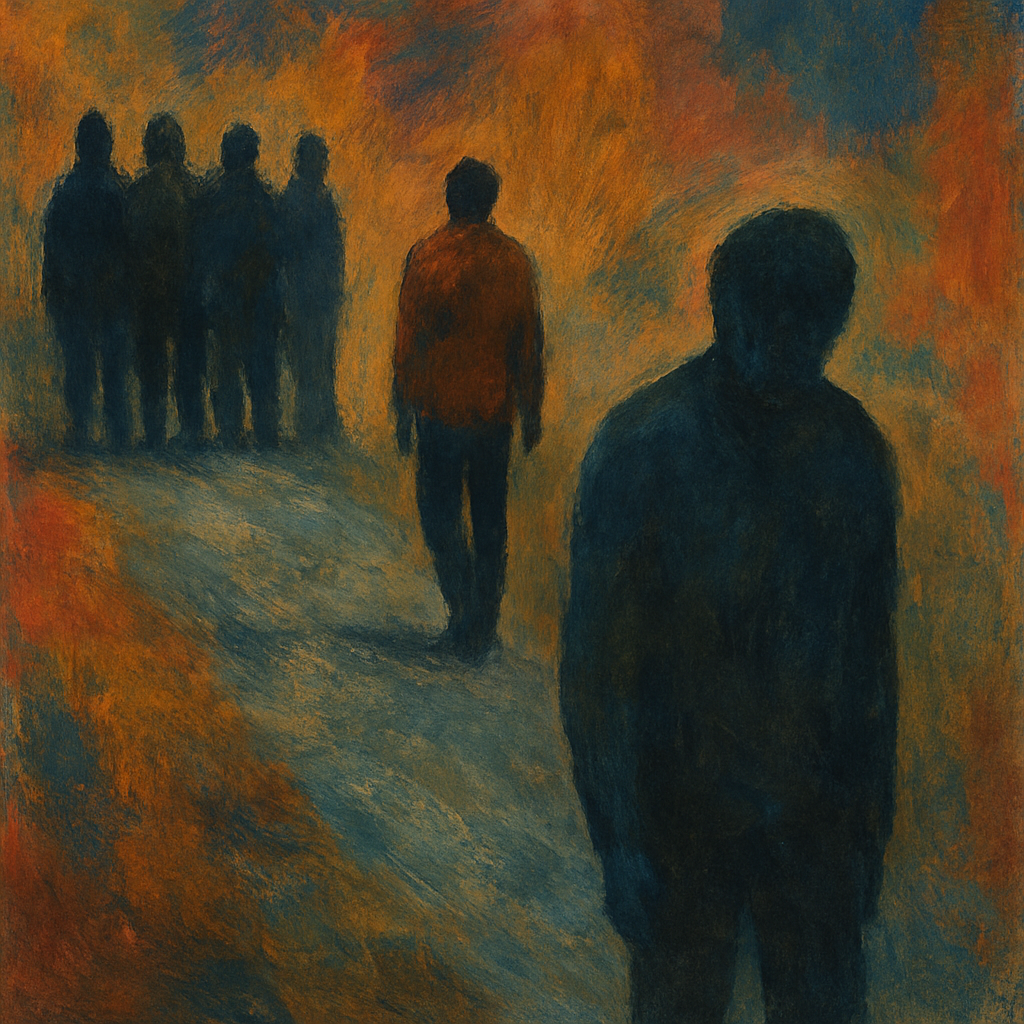
Nobody really talks about how lonely healing can be.
We hear about breakthroughs. About learning to love yourself. About setting boundaries, choosing growth, becoming the “highest version” of who you are. But the part we don’t say out loud is how much space that growth can create between you and the life you came from.
It’s like you set off on this long, steep climb toward becoming someone more whole—and somewhere along the way, you turn around and realize not everyone came with you.
You go to therapy. You read the books. You start paying attention to the patterns. You learn how to sit with your feelings instead of avoiding them. You start speaking up when something doesn’t feel right, even when your voice shakes. You stretch. You shift. You grow.
And then you go back to the people who once felt like home—and realize you're not standing in the same place anymore.
The conversations feel flatter. The humor hits sideways. You try to express something vulnerable and it kind of just... dies on the table. Or worse, you’re met with that strange, uncomfortable energy. You know the one. The subtle look that says “Why are you bringing this up?” The way the room shifts when you name something no one else wants to touch.
It’s hard to admit this without sounding self-righteous, but it’s just real:
the deeper I’ve gone into my own growth, the more I see—often clearly—who hasn’t.
And it’s not about being better than anyone. But there is an ache that comes with seeing people you love continue to carry their pain without examining it. Avoiding it. Dismissing the very tools that have helped you finally breathe. There’s a particular sadness in watching someone you care about spin in the same cycles, while you’re trying to climb out of yours.
And yeah, I’ll admit: I feel things about people who avoid therapy. Who scoff at it. Who talk about it like it’s indulgent or unnecessary, or just avoid the entire concept in its entirety for the feelings it may trigger within them. I can see it on their faces sometimes—the tightness around the jaw, the humor used to dodge something raw, the sudden subject change when things get too close. I don’t judge it, but I can’t unsee it either.
The irony is that therapy has made me more compassionate, but also more protective. I’m more willing to forgive, but less willing to tolerate. More open, but less available.
Because healing teaches you how much it cost you to play small, to keep the peace, to swallow what hurt. And once you know that, it’s hard to keep doing it just to stay connected.
This is the part of the climb no one romanticizes. The lonely stretches or altitude sickness. The moments you look back and wonder if it would’ve been easier to just stay where you were.
And maybe it would’ve. But then again—you wouldn’t be able to breathe the air you’re breathing now.
You wouldn’t know your own voice the way you do. You wouldn’t feel this grounded and this clear. This unwilling to trade your peace for proximity.
Yes, it’s isolating. Yes, you might grieve the closeness you used to feel with certain people. And yes, it’s uncomfortable to be in that in-between place—too far along to go back, not quite sure where you’re headed.
But there’s something else up here too. A kind of spaciousness. A trust in your own footing. And eventually, you start to notice that you’re not the only one on this path. You start to meet others who’ve chosen the climb too. People who don’t need you to explain. People who’ve also lost and found themselves in the process. People who make you feel a little less alone on the ridge.
So if you’re somewhere on the trail—tired, disoriented, wondering if you’re doing this right—I just want to say: keep going.
You’re not behind. You’re just higher up than you used to be.
Have you felt the loneliness that comes with growing? What’s helped you stay grounded in the in-between? Hit reply or drop a comment—I’d love to hear from you.