Why Do We Protect the Toxic and Silence the Different?
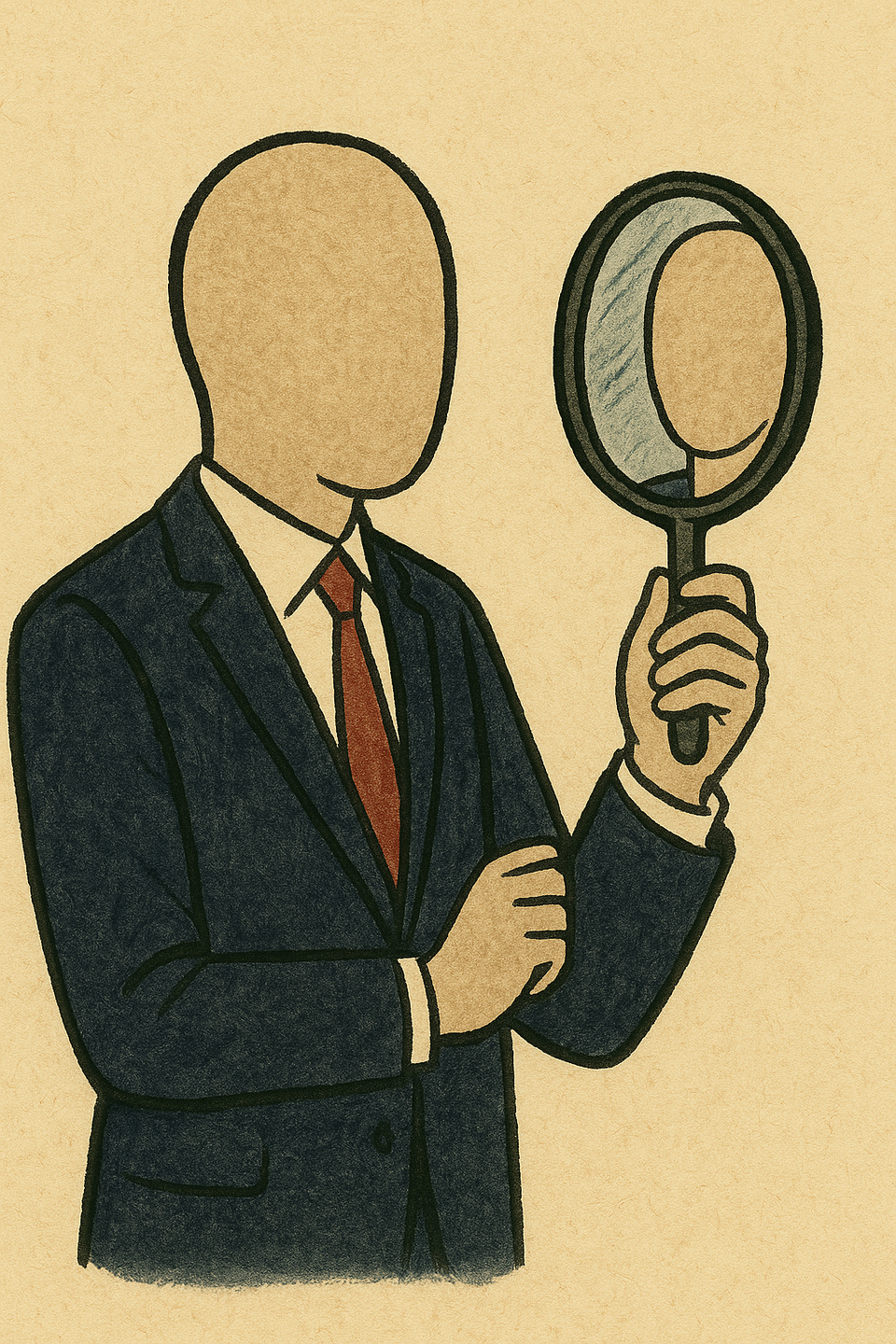
There was a stretch of my career when I worked at one of the world’s most admired tech companies.
The kind of place that’s always on those “Top Places to Work” lists. The kind that has slick branding around empathy, innovation, and belonging. A place that celebrates neurodiversity on its internal websites, runs “mental health awareness” panels during May, and features photos of smiling, post-it-note-holding employees on every other HR slide.
And yet—behind all the polished messaging—I watched people like him thrive.
Let’s call him Brock. And to be clear—Brock didn’t wear a suit. That would’ve been too obvious. He wore crisp, tucked-in button-downs and slacks. The kind of business-casual costume that made him stick out just enough in a sea of fleece vests, hoodies, and retro sneakers.
Always just a little too polished. Like he was cosplaying a consultant. Or trying to compensate for something. Height? Depth? Who knows.
But that wasn’t what made him dangerous.
Brock handed out a literal manifesto to new team members. Multi-page. Single-spaced. Titled something like “How to Work With Me”. And right there at the top of page one was the line:
“I know this might sound narcissistic, but…”
They always tell you who they are. And we almost always give them the benefit of the doubt.
The Polished Sociopath Playbook
Brock wasn’t eccentric. He wasn’t difficult. He was calculated.
The kind of person who could thread a narrative just tight enough to make himself look like the hero while his team bore the brunt of the work—and the blame. He created confusion. He fed conflict. He mastered the art of escalation-as-influence, and curated relationships with just enough precision to ensure protection from above.
He was exhausting in the way only someone completely hollow can be—always managing up, never truly building trust with the people below.
Over the course of a few years, he churned through his team. Some were let go. Others were managed out. A few were quietly crushed—smart, capable people who had the misfortune of not being useful to his storyline.
And despite it all, Brock remained.
Four formal HR investigations. Repeatedly poor internal feedback. Low team morale scores. A revolving door of collaborators and lieutenants. But nothing ever seemed to stick. Because he still checked the boxes that mattered to the people who had the power to protect him.
He sounded sharp in meetings. He escalated when it served him. He talked about frameworks and motions and operating rhythms with just enough buzzword density to appear effective. And most of all—he looked the part.
Meanwhile, the Truly Different Got Pushed Out
And while he thrived, I watched other people—the people who should’ve been leading—get sidelined.
People with ADHD. Autism. Dyslexia. Or just minds that moved differently. People who didn’t look or talk like the polished, podcast-ready, VC-vetted archetype of what a “tech leader” is supposed to be.
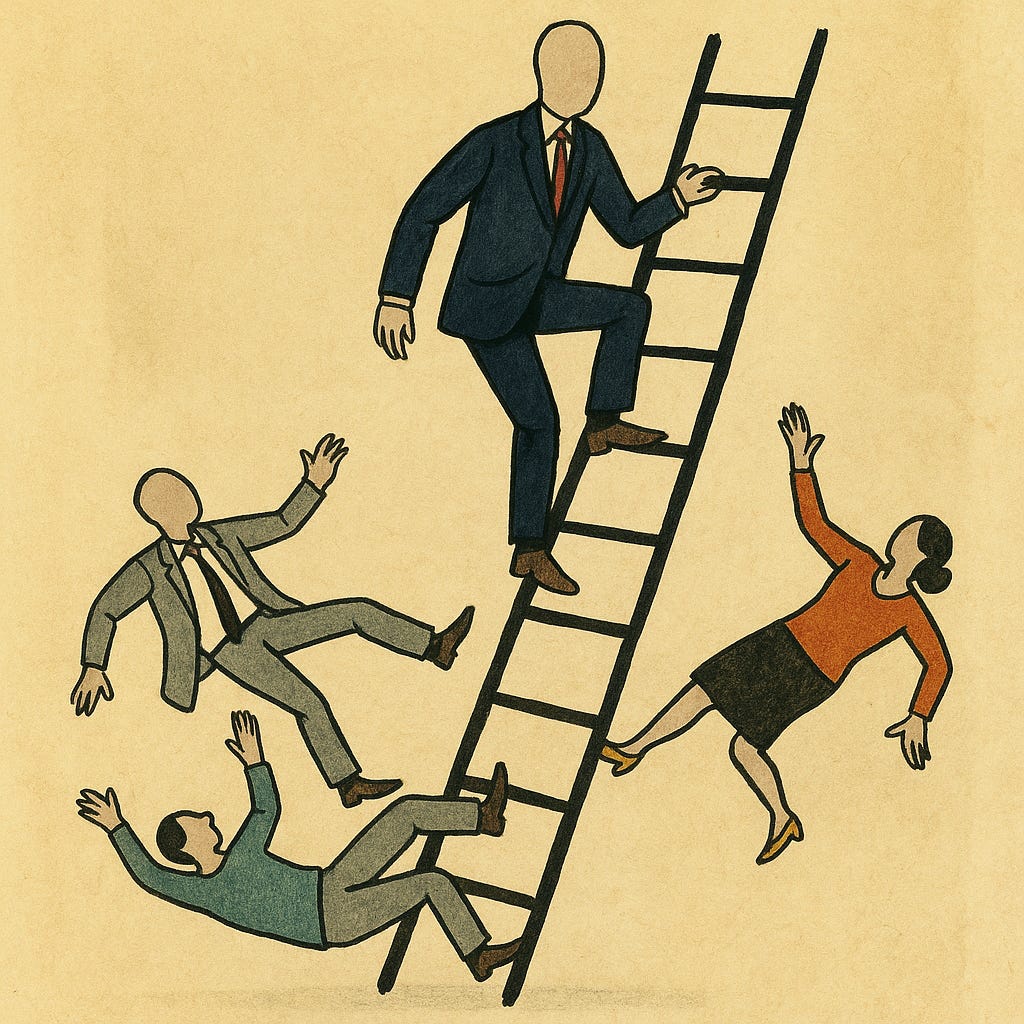
They weren’t rebellious. They weren’t disruptive. They were just different. And that difference made people quietly uncomfortable.
They were the kind of folks who didn’t always know how to “manage optics,” or who struggled with executive presence in rooms where presence mattered more than substance. They were smart as hell, creative, compassionate, and often carrying far more than their share of the actual work—but because they didn’t quite fit, they were questioned. Micromanaged. Performance-managed. Excluded.
Not because they couldn’t play the game.
But because the game was rigged in favor of familiarity.
It Wasn’t About Output. It Was About Mold-Fitting
In these spaces, pattern recognition is king. If you remind someone of someone they’ve promoted before—if you dress like them, talk like them, present like them—they project competence onto you. If you don’t, even your best work gets filtered through a lens of suspicion.
It’s all about who mirrors the mold.
And who subtly signals they never will.
Brock fit the mold—just enough to avoid real scrutiny, just enough to slip through the cracks, just enough to cast doubt on everyone but himself.
The people who didn’t fit? They got flagged. Coached. Let go.
And in the End…
Eventually, after the fourth—or maybe it was the fifth—HR escalation, Brock seemed to sense the writing on the wall. People had started comparing notes. The noise around him was harder to ignore.
So he did what these types always do: he escaped before the consequences caught up.
Slipped out like a snake. Rebranded. Reframed. Landed—so I heard—at another Very Large Tech Company. One that rhymes with Oogle.
Because that’s the thing about guys like Brock.
They don’t go away.
They just get promoted somewhere else.
And Until We Change What We Reward, That Won’t Stop
We say we value inclusion. Creativity. Neurodiversity. But what we really reward, far too often, is performance of competence—not competence itself.
We’re still building leadership models that elevate control over curiosity, spin over substance, and manipulation over emotional depth.
And in that environment, it’s not just that neurodivergent minds struggle to thrive.
It’s that they’re never even given a real chance.
Until we name that pattern and change the incentives that protect it, we’re not building healthy workplaces. We’re just building better branded versions of the same old power structures.